A canal
that became
a stream.
For sixty-five years, horses dragged barges along this water. Then the railway came, and the canal was built over. What grew back, slowly, was something rarer than a working waterway — a place where wildlife could think it was first.
The Romsey Barge Canal is the surviving length of the old Andover Canal, built in the late eighteenth century to carry coal, slate, and timber down to the Test at Redbridge. The stretch that remains in water — locally just called "The Barge" — runs from the A3057 south of Timsbury to The Plaza in the centre of Romsey.
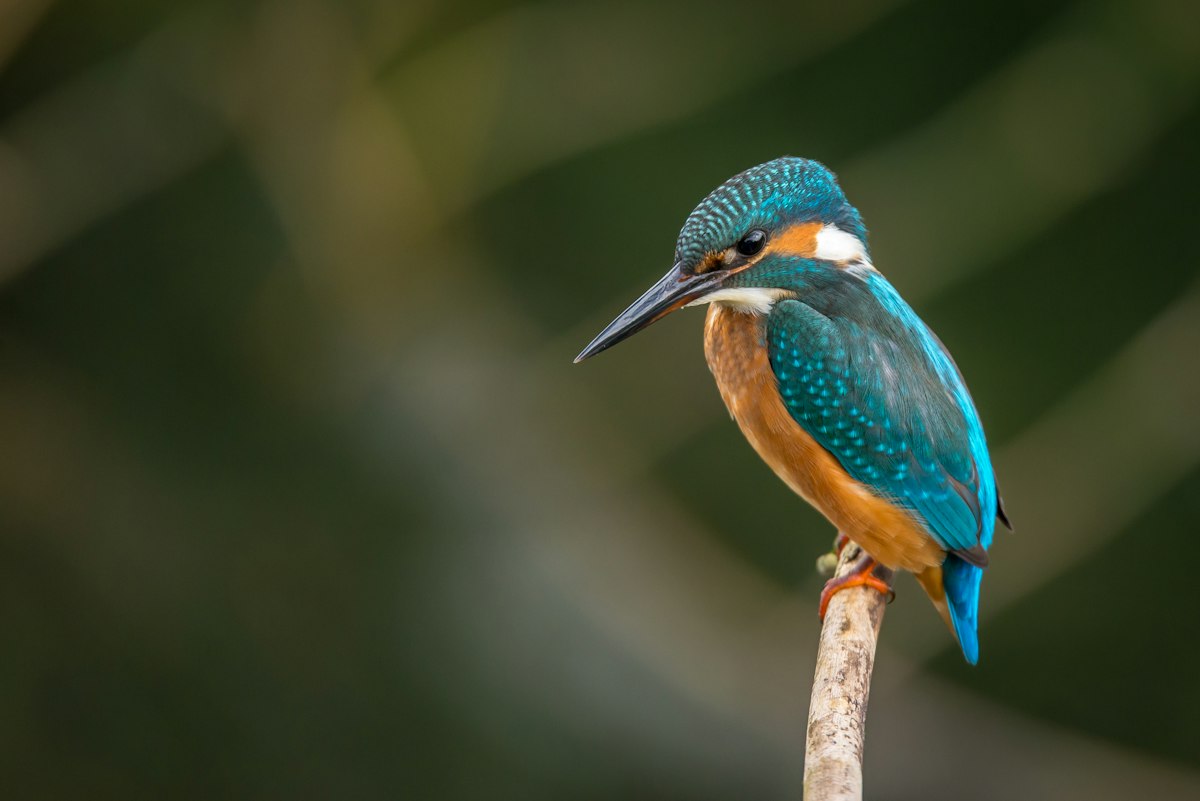
The canal was formally closed in 1859, when much of its course was built over for the Andover to Southampton railway. Its locks were lost. Its water levels dropped. Its commercial character quietly diminished, and in the silence something else moved in: reed beds, dragonflies, breeding sedge warblers, and a half-mile of water that today is part of the Fishlake Meadows Site of Special Scientific Interest.
"As the historical character has diminished, so the wildlife interest has increased." — Romsey & District Society
You can walk the entire length of the surviving towpath — it is a public right of way — and at almost any point you will see more birds than people. North of the Fishlake Meadows road bridge, the canal enters the SSSI. South of that bridge, it slips past the back of Romsey like a secret the town has been keeping for two centuries.
The route is part of the larger Fishlake Meadows Nature Reserve, managed by the Hampshire & Isle of Wight Wildlife Trust — a mosaic of open water, reedbed, willow carr, and damp grazing meadow that has become one of the most biodiverse stretches of freshwater in the Test Valley.